
Michael Ward on Sunday, August 16

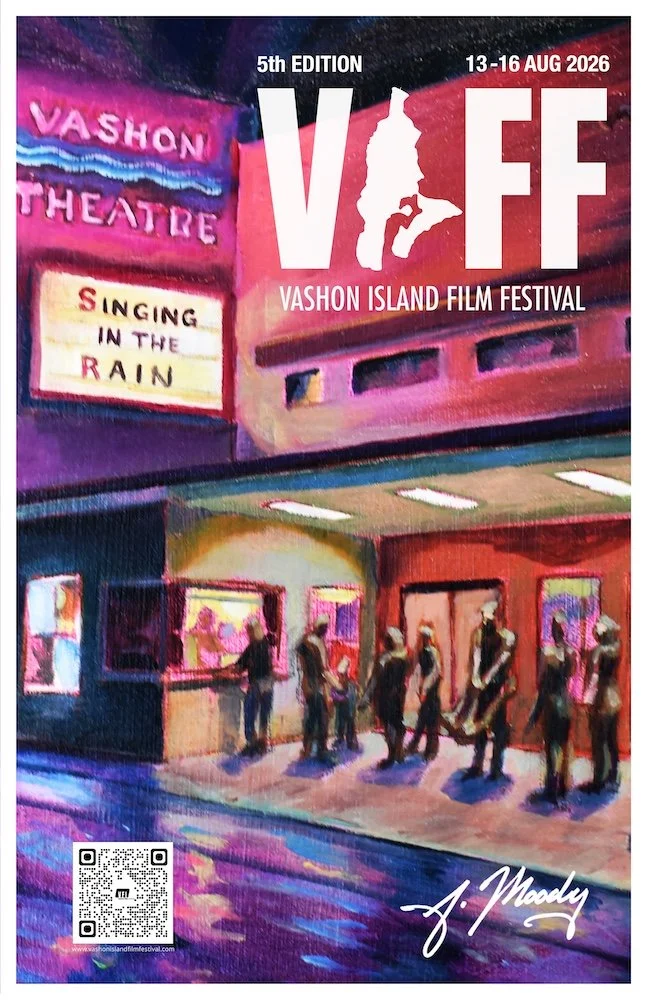
The 5th Annual Vashon Island Film Festival returns Thursday, August 13, for four days of independent cinema, bringing an eclectic collection of narrative features, documentaries, short films, and special presentations to Vashon Island.
Running August 13-16, 2026, this year's festival includes eight narrative features and five feature-length documentaries, along with an extensive collection of narrative, documentary, and animated shorts.
Should I See It is thrilled to be documenting the festival's feature selections for those heading over to the iconic island getaway, located a few miles south of West Seattle in the Kitsap Peninsula. Each day, I will be sharing capsule reviews of what I have seen and highlighting some of the films worth keeping an eye on as VIFF gets underway.
The final day is here, with an interesting trio of features to conclude the Festival. The Scottish documentary, Everybody to Kenmure Street, might be the best of the Festival, while Tribeca award winner Labrador - Autopsy of Silence will serve as the last film shown before the evening’s awards ceremony. The first screening of the day is Episode 1 of the three-part investigative documentary series, Bring Me the Beauties: A Model Cult, now streaming in its entirety on HBO Max.
EVERYBODY TO KENMURE STREET,
directed by Felipe Bustos Sierra
August 16, 1:00 p.m.
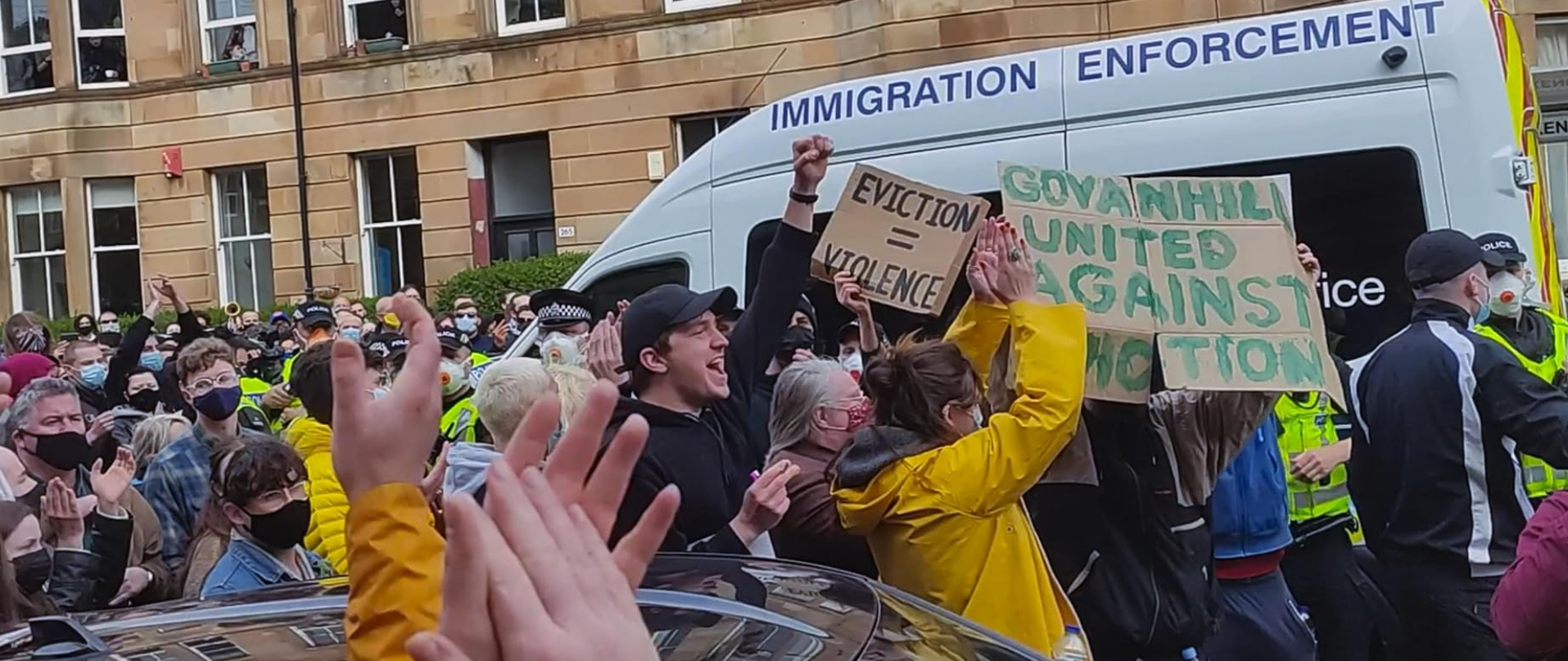
Perhaps the best film, documentary or otherwise, I saw as part of the Vashon Island Film Festival is Everybody to Kenmure Street, a gripping and fascinating documentary about a quiet Scottish neighborhood resisting Immigration Enforcement’s efforts to seize and remove two Sikh men from their home in May 2021.
Kenmure Street is located in the Pollokshields community in Glasgow, Scotland, and is home to a number of Muslim residents. On the morning of Eid al-Fitr, the Islamic holiday marking the end of Ramadan, the Home Office dispatched officials to take the Indian nationals into custody. Almost immediately, neighbors began protesting and one individual, known as “Van Man,” wedged himself completely under the vehicle for the duration of the protest. As more and more protestors descended on the scene, Police Scotland were called in, and a standoff ensued for nearly 10 hours.
Director Felipe Bustos Sierra, a filmmaker who lived nearby the protest but did not participate, opts to turn his regret into celebrating the power of protest and the importance of showing up to fight for what you believe in.
Sierra gets a number of individuals who protested to talk about their experiences that day - how they came to the protest, their actions and the emotions they felt during the day. In addition, actors are used to tell the stories of other individuals who did not agree to appear on camera or share their identity. In a clever decision, Sierra is transparent when this occurs. “This is not my face, but these are my words,” precedes any of these re-enactments with Oscar-winner and executive producer Emma Thompson and actors Kate Dickie and Keira Lucchesi dramatizing key moments from the day.
The film’s blending of archival footage, staged reenactments, and talking-head testimonials builds to an outcome that is as celebratory and euphoric as it is a sobering reminder that racism can surface in every corner of the world. If the most diverse neighborhood in Scotland needs its residents to stage a 10-hour protest and put themselves in harm’s way to keep two residents from being tossed in an immigration van and arrested, then is any Person of Color safe, seemingly anywhere?
The parallels between 2021 Scotland and modern-day America, with ICE raids and immigration hardliners directing policy, are clear and unmisstakable. Thankfully, the Kenmure Street protests led to no violence and no casualties, but also became part of the larger conversation around Scottish independence, separate from governance by the United Kingdom.
However, that is best left for a different film. Everybody to Kenmure Street stands as a powerful reflection on how peaceful protest and standing up for what’s right in the world can still have a significant impact.
BRING ME THE BEAUTIES: A MODEL CULT - EPISODE 1,
directed by Chris Smith
August 16, 11:00 a.m.
Not having caught up to the three-part HBO Max series, Bring Me the Beauties: A Model Cult, when it dropped on June 1, 2026, I will definitely be finishing the remaining episodes after viewing the first episode, which screened here at the Vashon Island Film Festival.
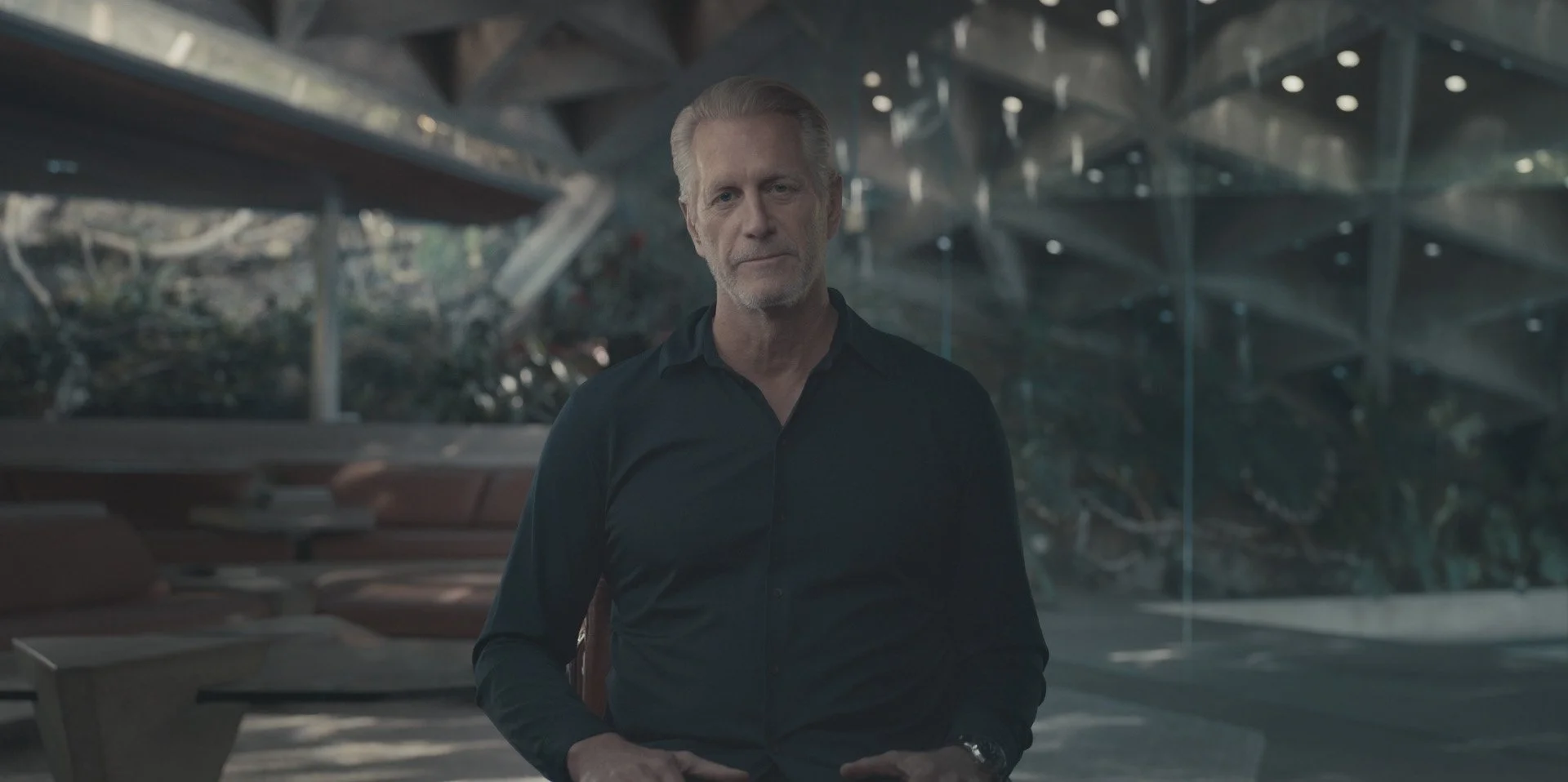
Largely focused on Hoyt Richards, who at one time was the most famous male supermodel in the world, we learn how he was lured into joining a spiritual group during his teenage years by socialite Frederick von Mierers. Richards was a college football player at Princeton, when a shoulder injury ended his playing career. After connecting with the Ford Model Agency, Richards joined other young models as part of Eternal Values, which morphed into a doomsday cult where von Mierers described himself as an alien who had inhabited his human form just a few years prior.
Richards and others describe how von Mierers separated the young models from their families and took substantial percentages of their earnings to purchase properties and prepare for a supposed pending global catastrophe in 1999.
Emmy winner Chris Smith sets the stage for a tantalizing second and third episode by framing the models as naive, impressionable, and von Mierers as increasingly unhinged and deranged. Mandates like celibacy, strict guidelines on appearance, and other manipulative behaviors are teased for further exploration in later episodes. For anyone who has watched cult-related documentaries before, you begin to see all the commonalities begin to emerge as Episode 1 moves through its introductory narrative.
To see the remaining episodes, each running roughly an hour in length, you can stream Bring Me the Beauties: A Model Cult now on HBO Max.
LABRADOR - AUTOPSY OF SILENCE
directed by Rodrigue Jean
August 16, 3:30 p.m.
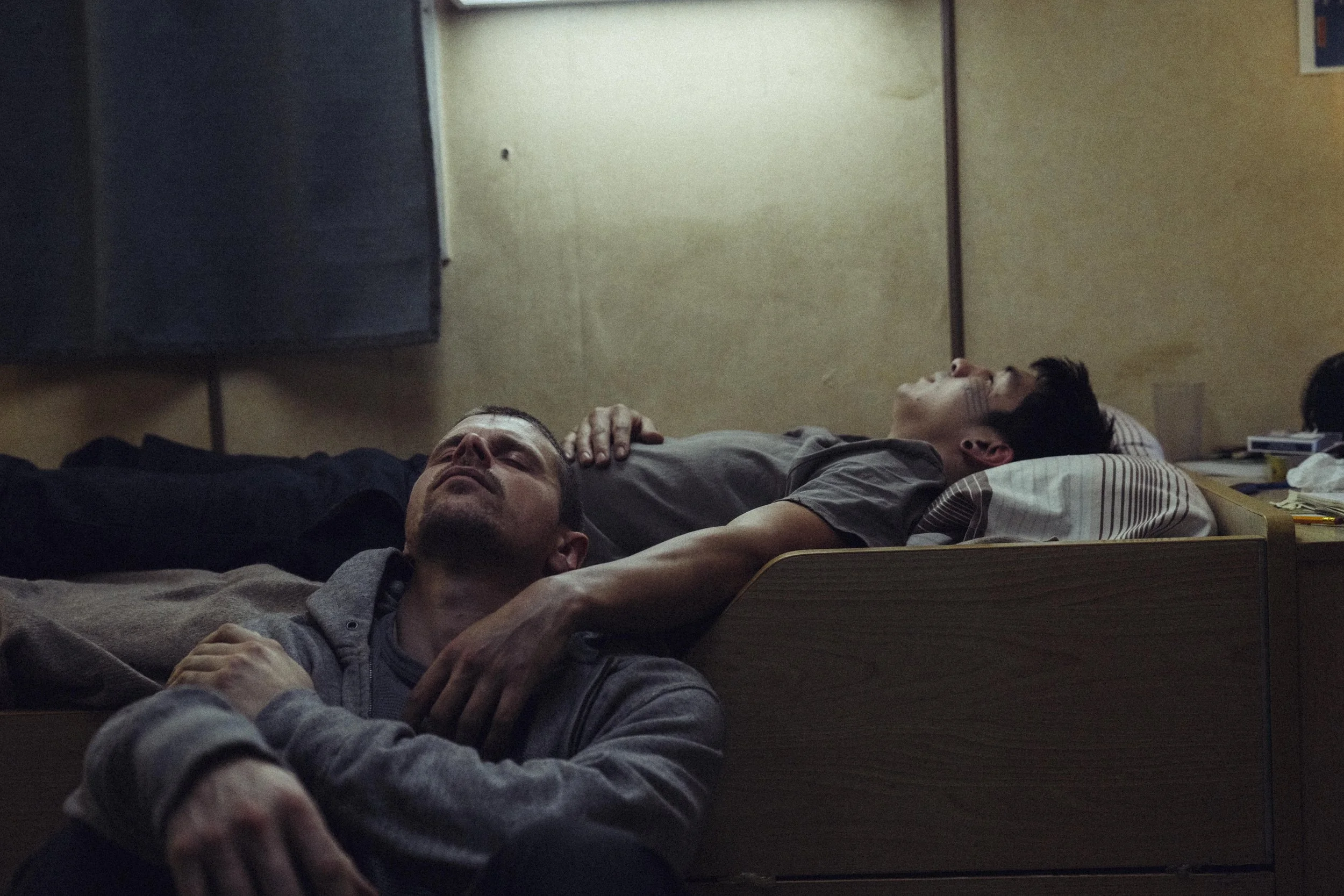
Prior to its showing at VIFF 2026, I was not able to catch up to Labrador - Autopsy of Silence, an acclaimed Canadian film, focusing on two closeted shipmates, Alupa (Christopher Angatookalook) and Alex (Alexandre Landry), who share a relationship. When one of the men ends up murdered, the other becomes a suspect and maintains his innocence. However, a female first officer (Gabrielle Poulin B.) on the ship holds her own connection to the duo, with everything building to a contentious trial.
Comparisons have been made to Justine Triet’s Oscar-winning Anatomy of a Fall, but Labrador has its own distinctive look and feel. Film Forward describes the film as “ominous”, and “…appropriately murky and chilly, featuring beautiful shots drifting across the icy seas of Basse-Côte-Nord.” The Film Stage calls first-time actor Angatookalook as “a fascinating performer to watch.”
THE FESTIVAL
The 2026 Vashon Island Film Festival runs August 13-16 on Vashon Island, Washington. Additional information on films, screening times, tickets, and festival events is available through the Vashon Island Film Festival website.